
On Moral Potency
In the seeming mess that is the contemporary world, leadership demands moral potency. Characterised as "a psychological state marked by an experienced sense of ownership over the moral aspects of one's environment, reinforced by efficacy beliefs in the capabilities to act to achieve moral purpose in that domain, and the courage to perform in the face of adversity and persevere through challenges (Sean T. Hannah & Bruce J. Avolio, "Moral Potency: Building the Capacity for Character-Based Leadership," 2010), this tripartite blend of moral courage, moral efficacy, and moral ownership serves as a compass, providing direction so that we can measure our lives accordingly. Yet it feels in increasingly short supply.

Future-Back Strategy
Existing leadership development programmes exemplify the present-forward model of thinking, rather than future-back. We continue to prepare tomorrow’s leaders for today’s schools, with today’s thinking. We might even be so bold as to assert that these programmes prepare managers instead of leaders. That’s an issue.

Compensation for School Leaders: Do We Have the Right Model?
In a recent article on executive benchmarking in Korn Ferry Briefings, the authors (Irving S. Becker and Lawrence M. Fisher) note that Korn Ferry Hays Group “recommends that board members go beyond benchmarking, and instead use multiple lenses to evaluate compensation via a more complex and rigorous assessment of both internal and external factors” (20). As they state further, “the goal is to establish ‘internal equity,’ or the perception that the organisation is paying people according to the relative size and impact of their roles” (20).

Outmoded Working Culture
We talk so much (ad nauseam, perhaps) about mindset…from this general perspective, I support Gratton’s assertion that we must catalyse a mindset revolution, as opposed to a radical revolution, if we are to move decidedly into the future of work. As she points out, quite rightly, I think, “while executive teams may continue to receive a lot of applicants from across the normal distribution (of talented candidates), they may increasingly struggle to find the quality they desire, as the ‘very talented’ seek out more forward-thinking and innovative work environments” (39).
Whither AI in Education?
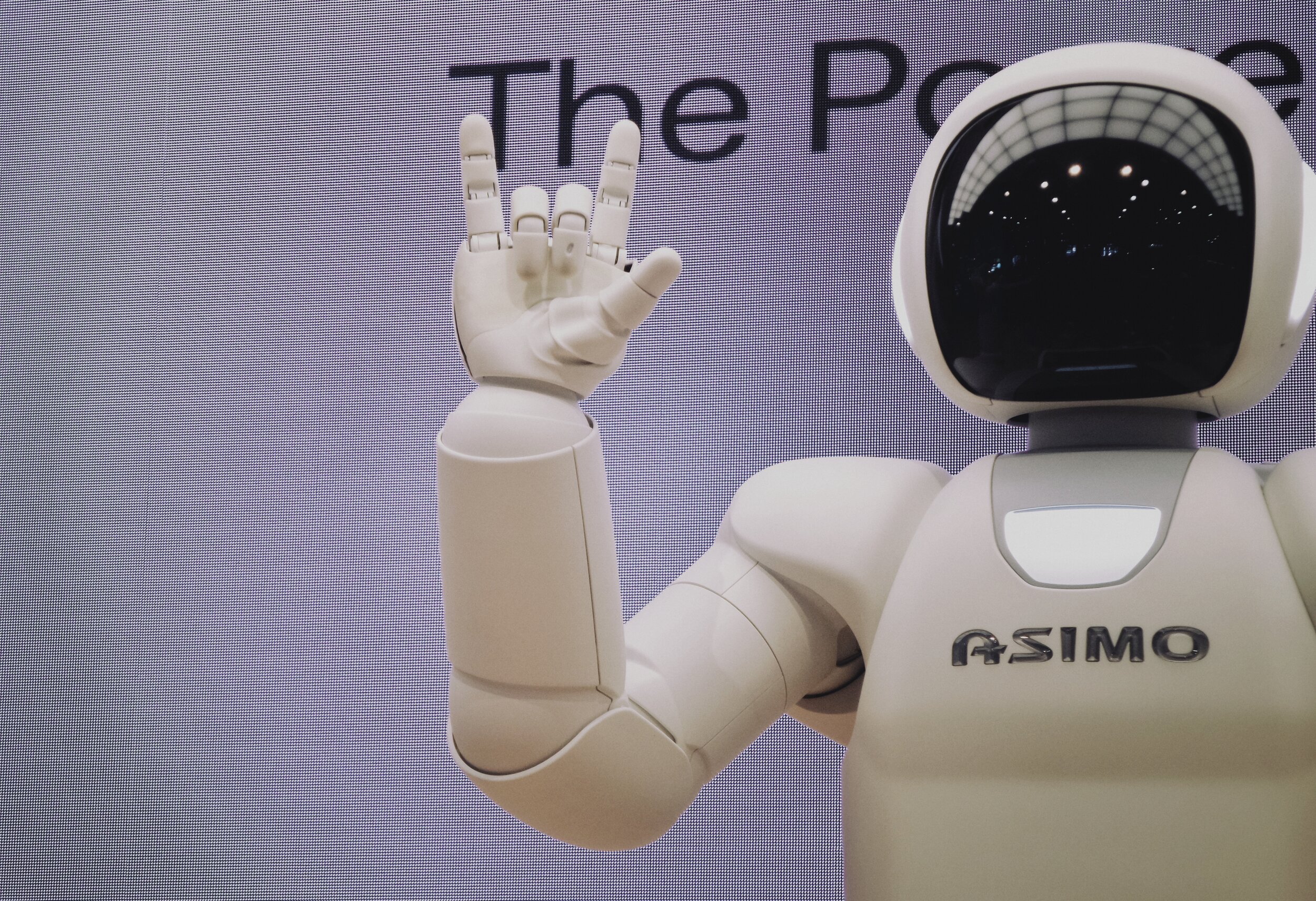
Often underestimated severely is the notion that what we’re really talking about is not technology…but culture change. If all these AI promises outlined and/or hypothesised by the authors are to come to be, they will be realised only when we consider culture change. The authors offer us the nut to crack when they state on p. 11 that artificial intelligence in education (AIEd) is an “essentially human endeavour.”