
Reality Isn't What It Used to Be
"With a growing range of virtual interfaces continuously evolving around us, reality isn't what it used to be[,]" writes Amy Webb, Professor of Strategic Foresight at New York University's Stern School of Business, and author of The Genesis Machine: Our Quest to Rewrite Life in the Age of Synthetic Biology (2022). Webb posits that leaders need to consider carefully these evolving interfaces. To my mind, school leaders in particular need to consider these developments and emerging signals…

Lack of Managerial Competence
Inasmuch as the pandemic has brought out the best in many heads of school (and, thankfully, their teams), it has also managed to shine a spotlight on a number of leaders who have been catechised by means of leadership workshops and leadership development programmes into believing that an individual with vision and an ability to inspire others is what defines a school leader. The cottage industry that supports and promotes leadership development in this vein, irrespective of whether it is stated explicitly, focuses on the difference between management and leadership (oft-used statement attributed to Drucker: management is doing things right, leadership is doing the right things), to the detriment of competence in management.

A Failed Trendbook
As a consultant, I hear about (and see) lots of things in schools, from start-up schools and highly innovative approaches to learning to financial solvency crises and everything in-between. In the past, I often read the annual Trendbook with great anticipation, looking to devour its pages and come away the wiser. Anticipation changed to disappointment with this tome.

On Monoculture
As I spoke with others at our table, I became increasingly uneasy, until finally I realised what was gnawing at me: if all of us (schools, educational leaders, teachers, etc.) were to adopt this tack, wouldn't all schools essentially look the same? Wasn't this an effort to homogenise education? The homogenisation of education is something I've been watching for years.
Hard Facts & Half-Truths: Teacher Observation
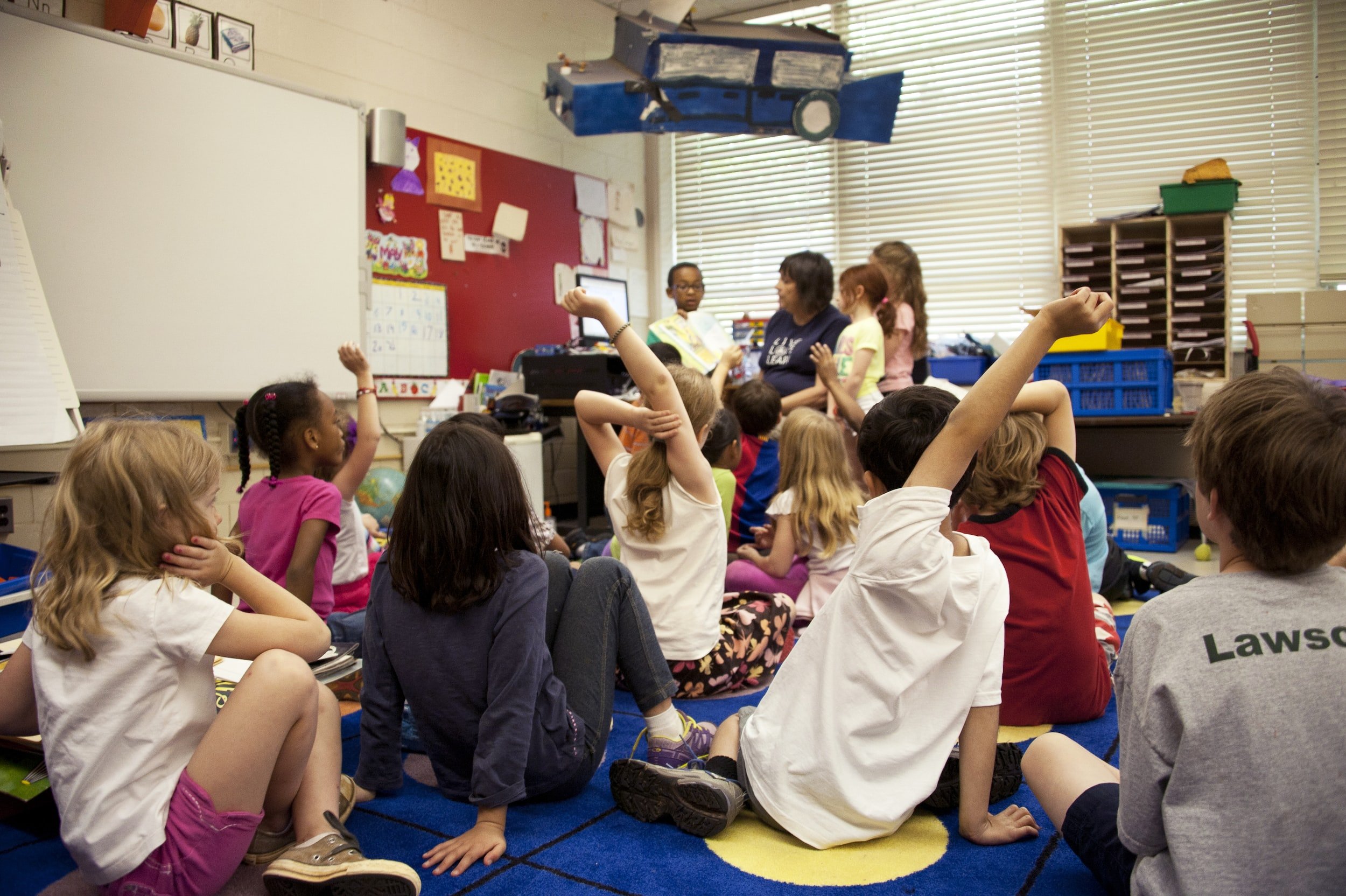
One of the pillars of belief in the independent and international school world, a belief shared by most governing boards who rely on school management for an accurate indication of teaching quality in schools, is that the head of school is a skillful, highly-qualified observer of teachers, due to that person’s years of experience in education. It’s not just the head of school, though; it would include division heads, directors of curriculum and instruction, and others—anyone who ever observes teachers in some form of evaluative capacity. The operative cognitive underpinning here is: “They’ll know a good lesson when they see it.”