Lessons for Our Attention
On 20 August 2026, the federal Department of Education published a Notice of Proposed Rulemaking that would substantially rewrite the regulations governing how the Secretary of Education recognizes accrediting agencies for the purposes of the Higher Education Act. It runs 82 pages in the Federal Register, touches three parts of the Code of Federal Regulations, and concerns itself entirely with postsecondary institutions drawing on Title IV student aid.
None of it binds a single K-12 independent school.
Nevertheless, the independent school sector would do well to read it closely as a preview of the questions our own accrediting bodies may well be asked to answer by state officials, trustees or parents from our schools, or simply by means of the ongoing erosion of public trust in institutions.

Accreditation Is a Public Promise
Accreditation belongs within the broader architecture of public trust. Trust is constructed through visible standards, credible processes, independent judgment, appropriate transparency, and the willingness to act when expectations are not met. Remove enough of these supports, and the structure may continue to look impressive while becoming increasingly fragile. When failure comes, the public will reasonably ask: “That school was accredited; how did the accreditor not know?”
School Closures: Variables and Red Flags
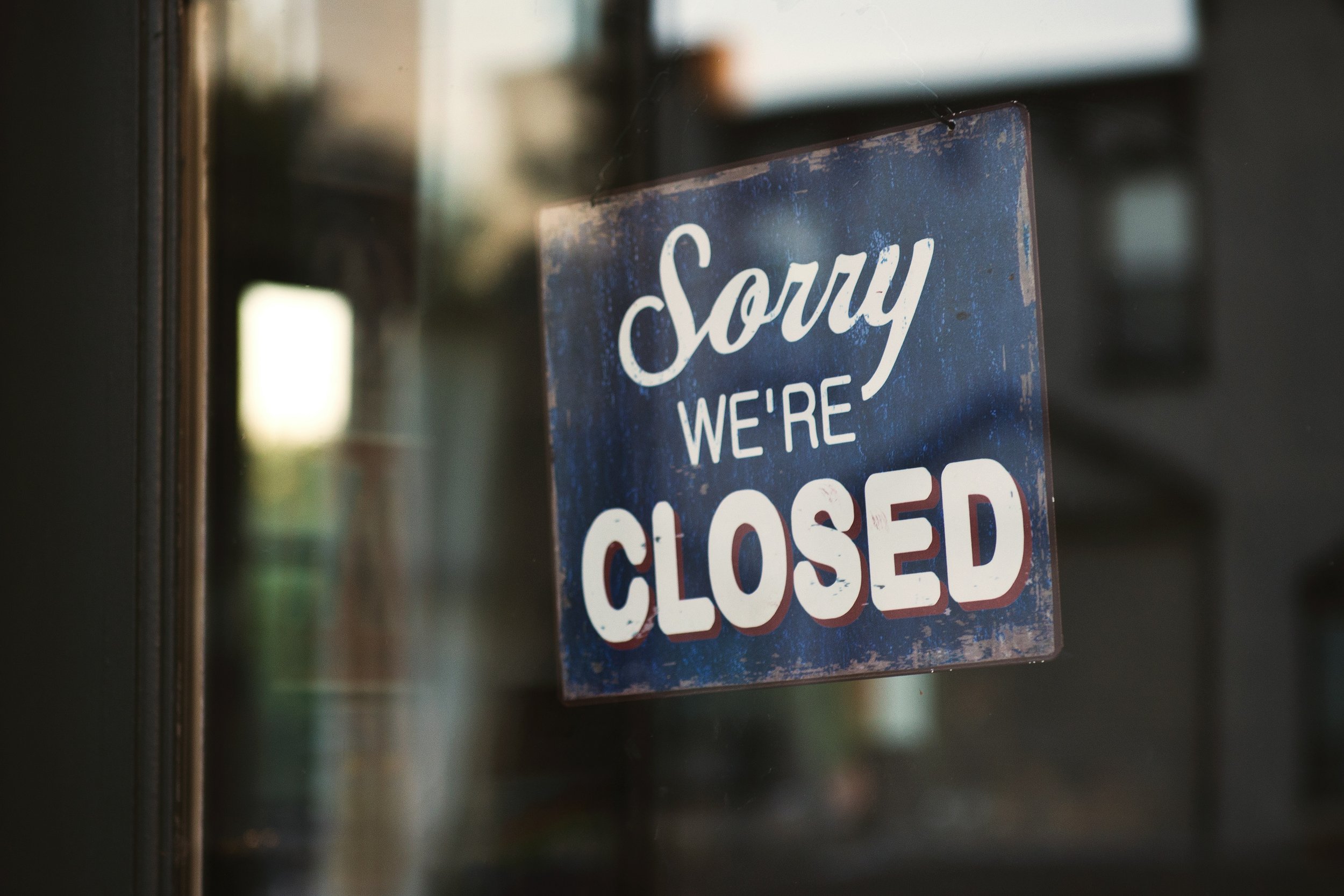
Given the rate of school closures, related to—yet separate from—merger and acquisition threads of discussion in independent school circles, there is a need for an effective study of school failures. Such a study would confirm these common, clear signs and delineate paths to closure, highlighting key points of timing along the way when schools could/should be intentional about their futures, giving themselves and their communities (most notably, students and families) the gift of time: enough time to allow for tactical business model maneuvering before sound the alarm on closure.

Sector Change is Coming: Are We Ready?
The chess pieces are now fully deployed on the board. Change is coming to the K-12 independent school sector in the US. It has already begun, one might proffer. It would be misleading to provide a range of years (e.g., three to five) during which this change will happen. Instead, we might consider the notion of an era, in the vein of ‘what is the nature of our era?’

Accreditation as Elegant Fulcrum
In this way, the accrediting associations play an even more impactful role with their member schools--not just holding them accountable to a professional standards, but helping them to advance their missions and their impact in ways that will be beneficial to society as a whole--part of the public purpose argument for independent schools.